Chinese Wagyu Meets the Italian Grill at Scena di Angelo
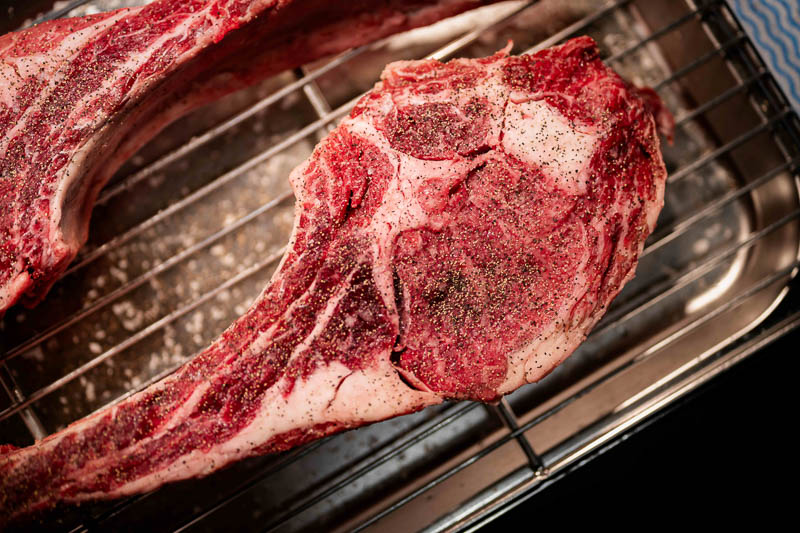
Chinese wagyu is picking up steam faster than you'd think, and I recently tried it at Italian restaurant Scena di Angelo, which has launched a new grill menu, Dalla Griglia, built around wagyu from Shandong.
Nomfluence Readers Deals
Complimentary glass of wine

About Scena di Angelo
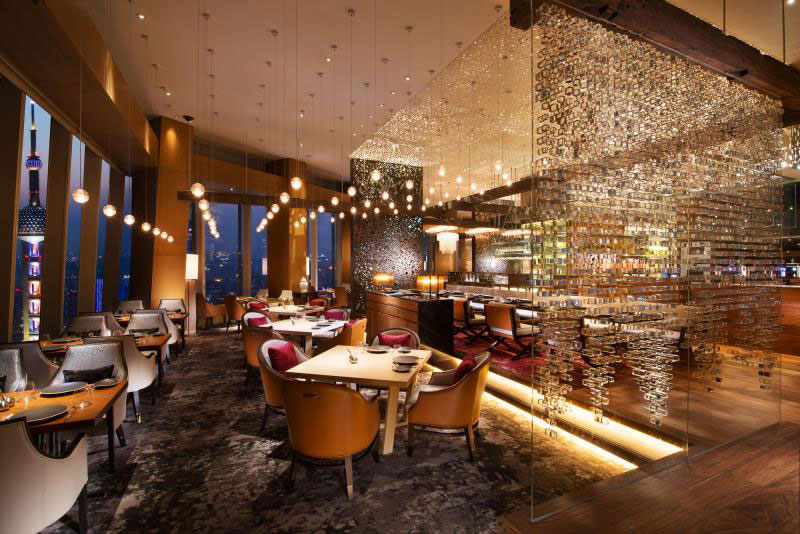
The restaurant sits high above Lujiazui, with the Pearl Tower front and center, on the 52nd floor of The Ritz-Carlton Pudong, Shanghai. The view and setting makes it a great spot for celebrating an occasion.
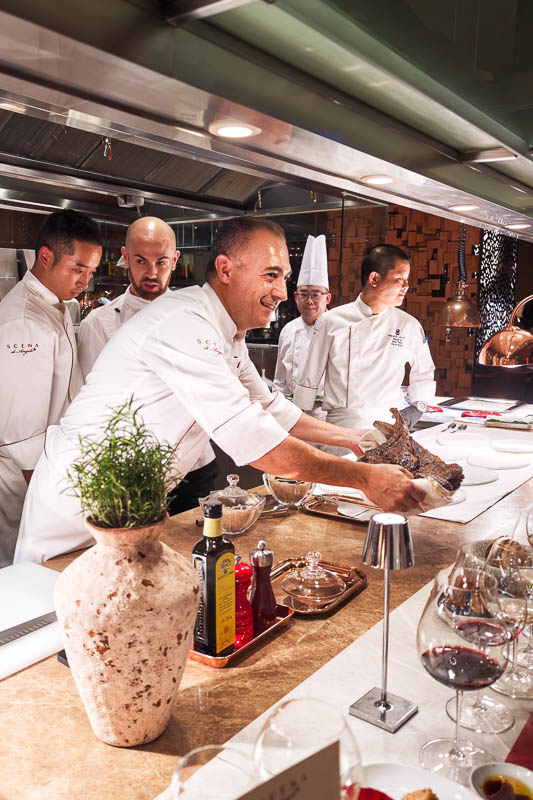
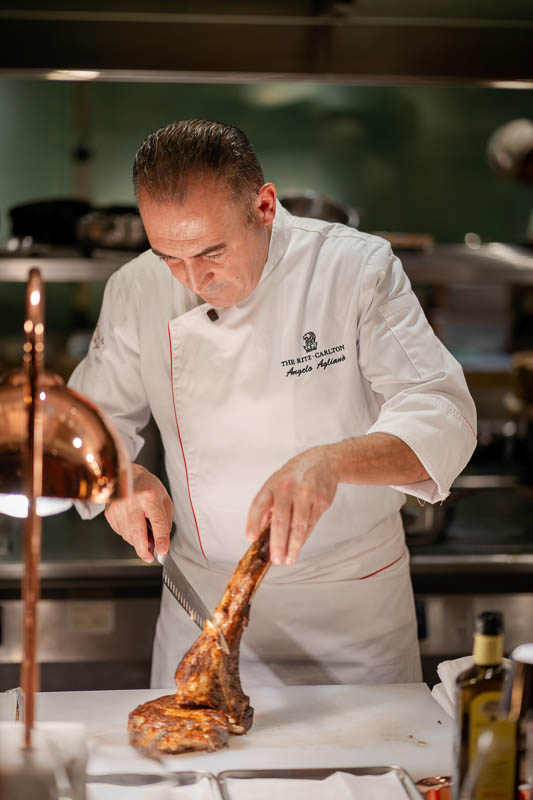
It's led by Angelo Agliano, Chef-Director of the Michelin one-star Tosca di Angelo at The Ritz-Carlton Hong Kong.Scena di Angelo has its own recognition too, having just been awarded Two Forks by Italy's prestigious Gambero Rosso.
Dalla Griglia - From The Grill
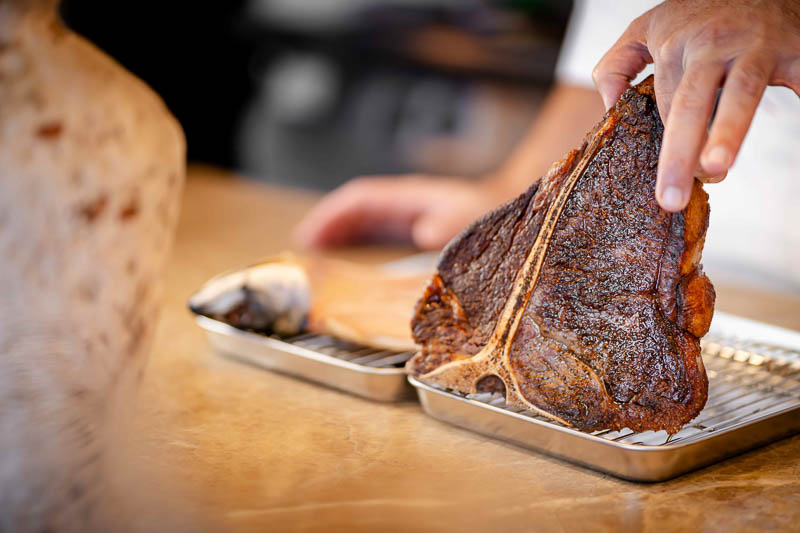
The grill menu features Shandong wagyu T-bone steak (¥1,288/1kg) and tenderloin (¥788/400g), both with a marble score of M5. It's fat-rich, but not enough to put you over the edge. It's steak you can enjoy with ease.
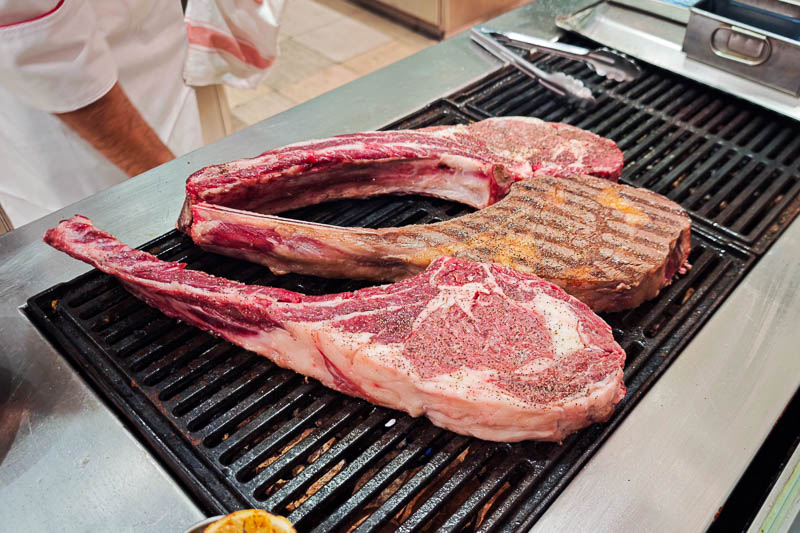
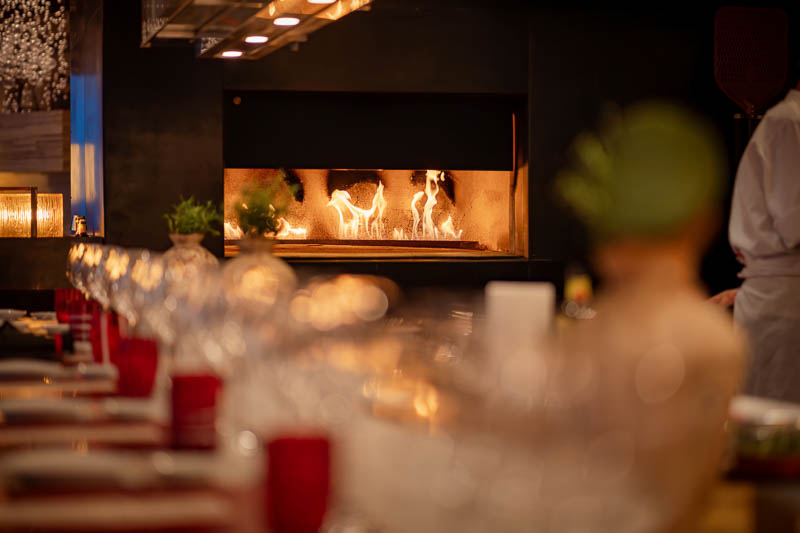
The steaks are first seared on the charcoal grill, then placed inside a stone-hearth oven burning at 300-degrees Celsius for the final cook.
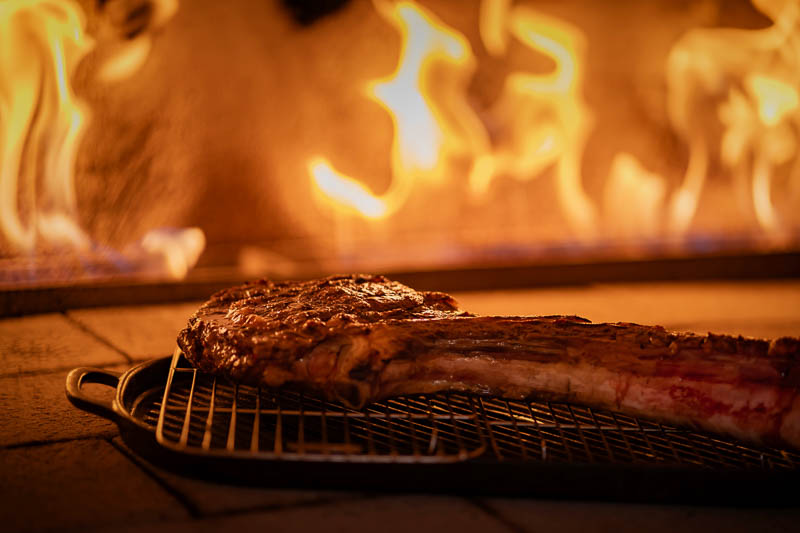
Compared with other beef, the Shandong wagyu has denser fibers, sitting between Australian (buttery and tender) and Argentinian (with more chew).
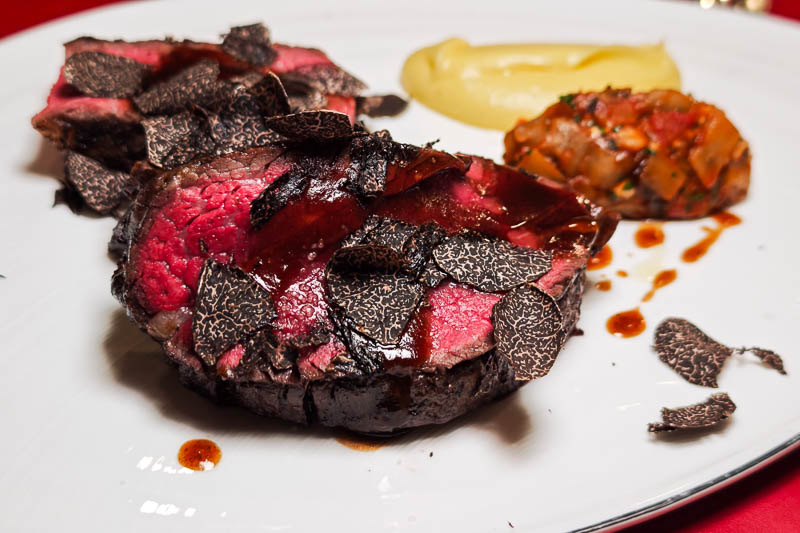
The tenderloin is buttery, heady, and full of beefiness. It's absolutely fantastic, and arguably superior to the T-bone.
The Shandong wagyu didn't appear on the menu by chance.
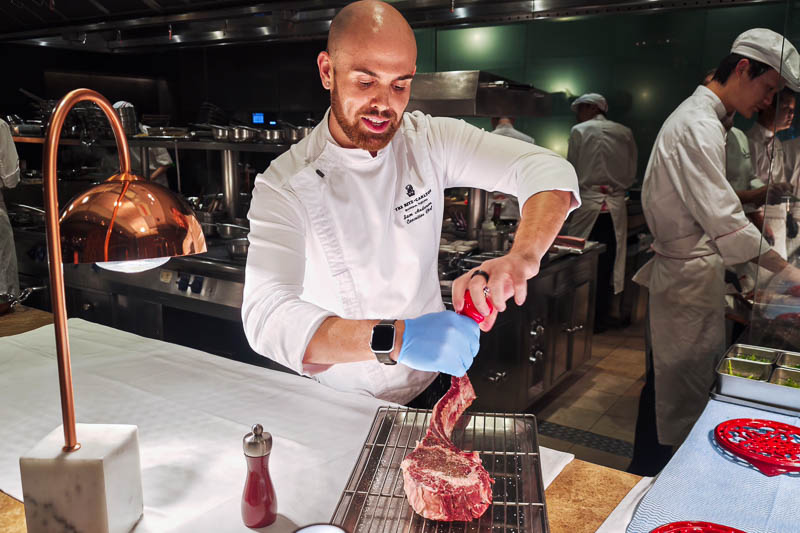
After arriving in Shanghai, the hotel's new Executive Chef, Sam Anderson, spent months exploring local producers before settling on a farm in Shandong. Like many people outside China, he hadn't even heard of Chinese wagyu before - which is exactly what made him curious.
Chinese beef has come a long way in the last decade. Ask anyone and they'd have pegged local beef for stir-fry and not much else. But that perception is starting to shift.
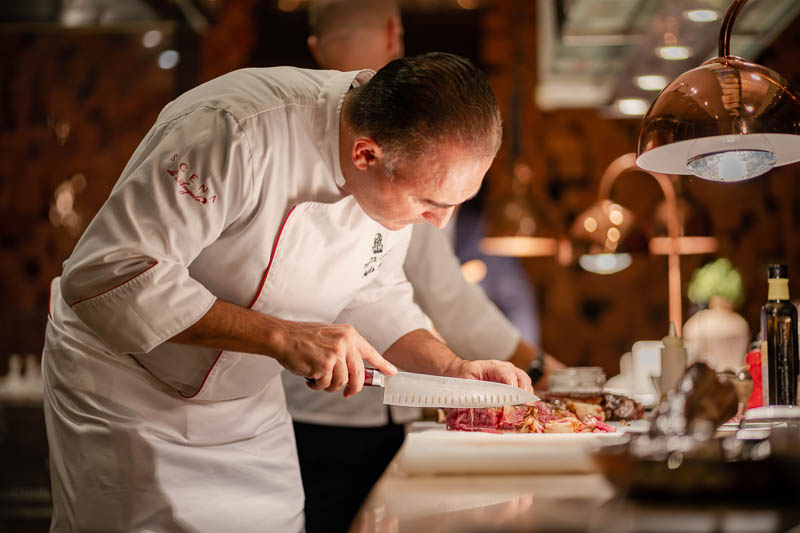
Still, Chinese wagyu remains relatively rare, partly because of supply: Chinese wagyu has historically been produced in small numbers.
I spoke with the farmer, a third-generation Australian cattle breeder, who explained how much work went into developing the herd. It took three years of selective breeding, combining wagyu genetics with dairy cattle. The calves are raised on the open plains of Shandong before moving to paddocks, where their feed is carefully monitored. Years of patience and careful farming eventually make their way onto the plate.
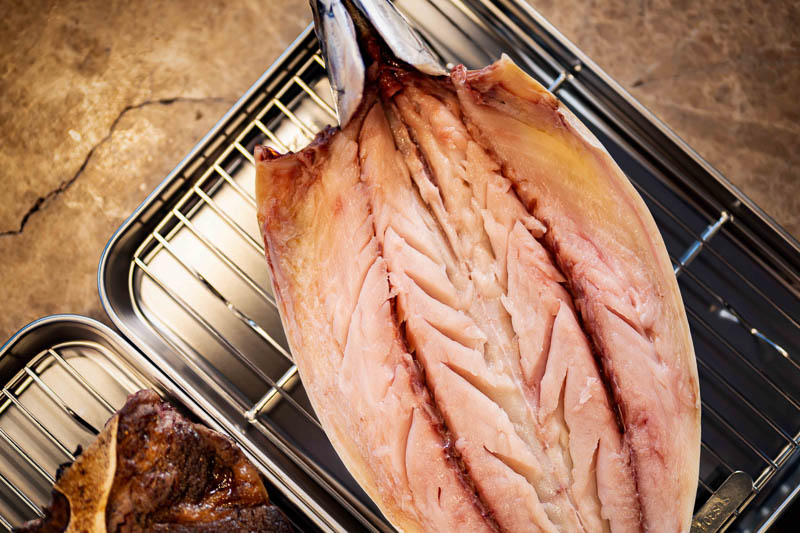
Shandong isn't the only Chinese produce on show. The rest of the menu is a journey across China's regions, with Inner Mongolia bone-in lamb shoulder (¥408/1.2kg), whole roasted Guangdong chicken (¥388/1.5kg), and grilled Fujian Dongshan mackerel (¥368/500g).
Those, along with Tibetan River Valley black truffles, Amur caviar, and Chinese wines, show how much China has to offer.
New Seasonal Dishes
New seasonal dishes hold their own against the steak.
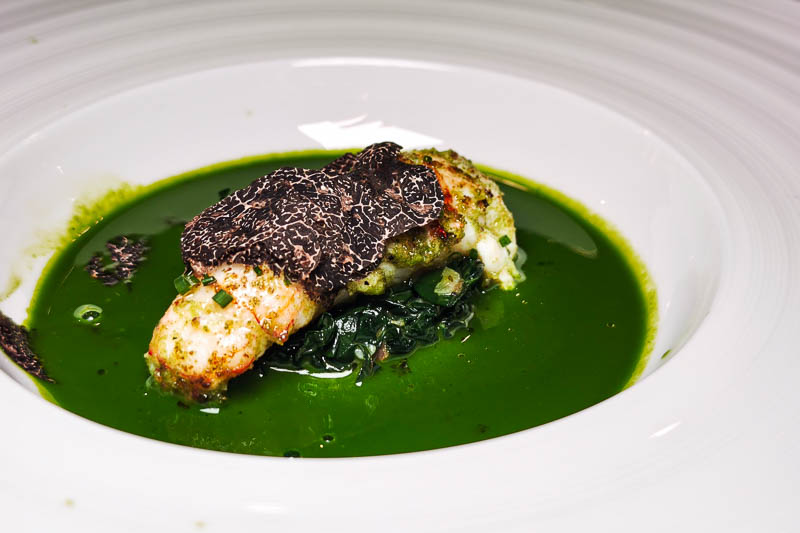
Even the humble cavolo nero, the Tuscan kale with long, dark, crinkled leaves, beloved in winter for its earthy, delicate flavor, gets swapped for a Chinese counterpart. It appears in a new seasonal dish, Scampi with Black Cabbage and Tibetan River Valley truffles, tied together with a champagne sauce.
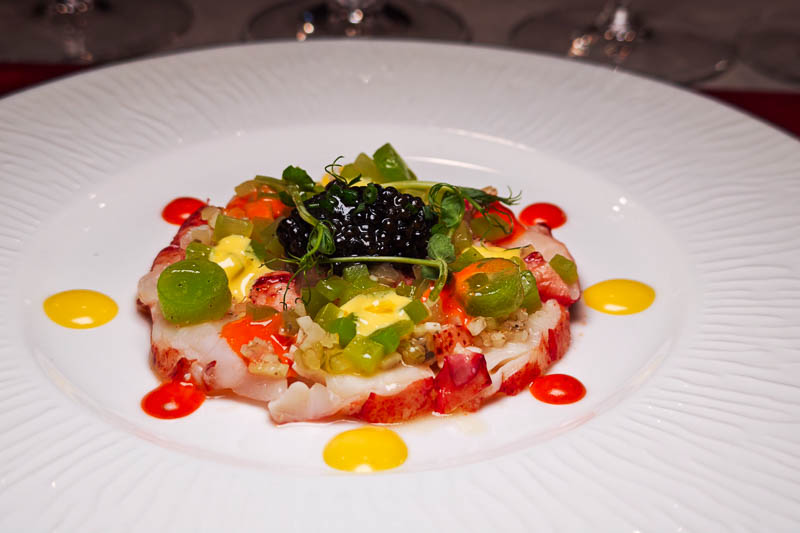
The Lobster Carpaccio comes with finely diced celtuce and a saffron sauce, topped with Amur Chinese caviar. It's crunchy, cool celtuce with naturally sweet, sea-fresh lobster, spiked by the briny caviar.
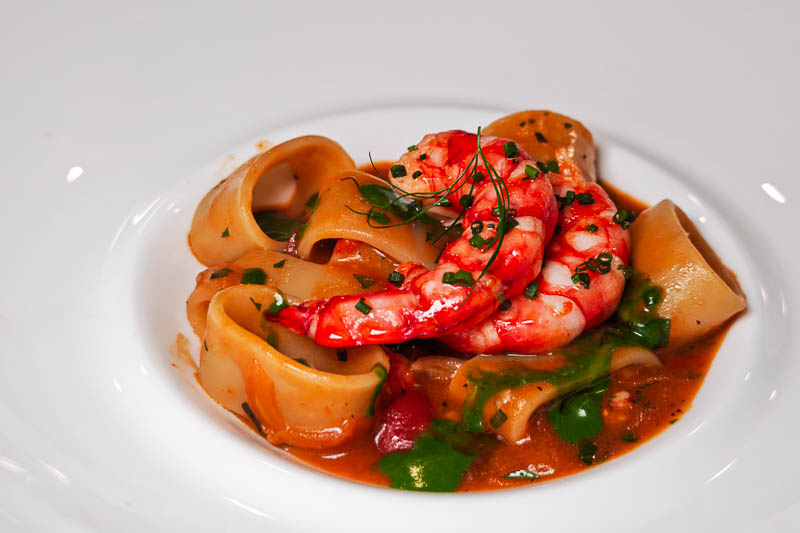
My favorite, though, has to be the Calamarata with Carabinero Shrimp. The ring-shaped pasta, named for its resemblance to calamari, is cooked to a proper Italian al dente and tossed in a heady pesto boosted with flavors drawn from the carabinero prawn heads. It's umami-rich, sea-forward, and heavenly.
So if you want to taste how far Chinese wagyu has come, or Chinese ingredients for that matter, Scena di Angelo is the place to do it.
The grill menu is available for lunch and dinner.
Nomfluence Readers Deals
- One complimentary glass of selected red or white wine per person; for dine-in guests only.
Scena di Angelo
View the listing here
About Rachel Gouk
Founder & Editor, Nomfluence
Rachel Gouk is a seasoned dining journalist based in Shanghai with over a decade of experience covering food culture, restaurant developments, and the Asian culinary landscape.