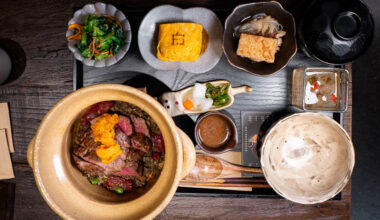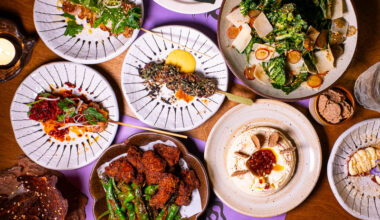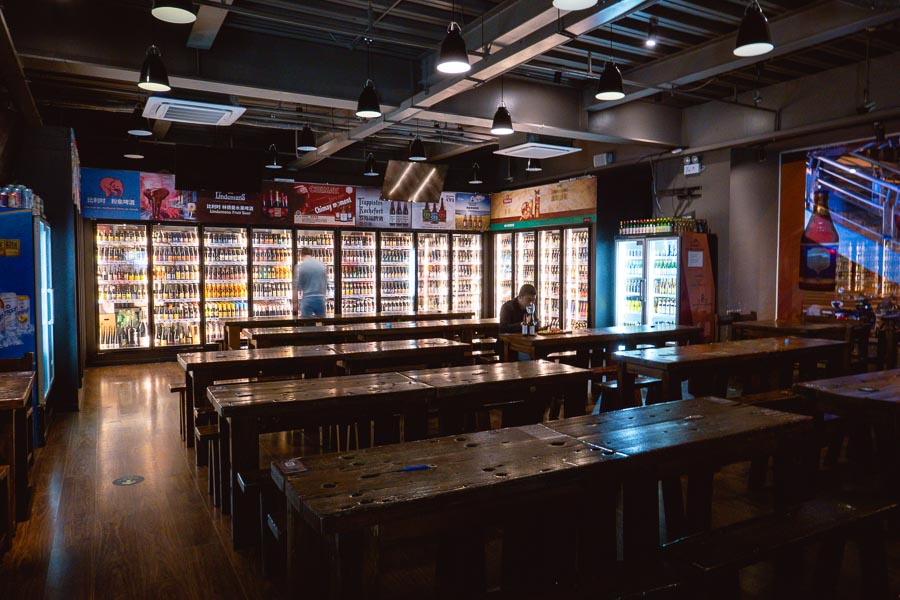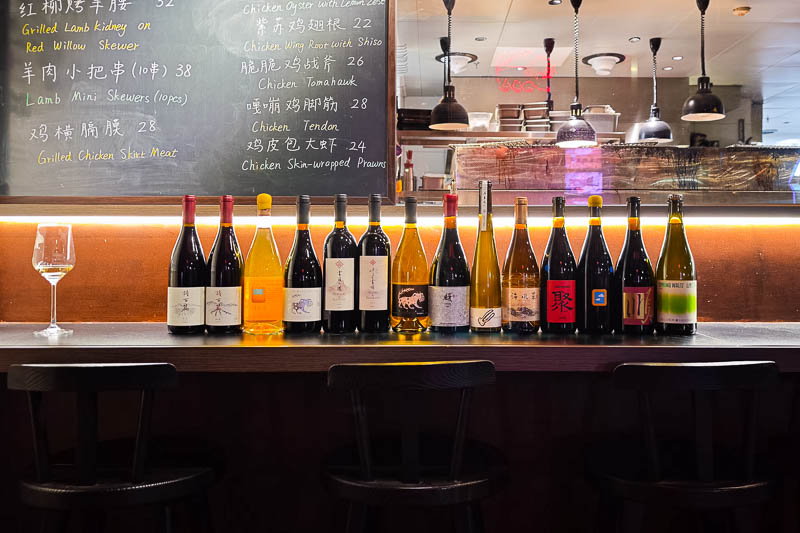
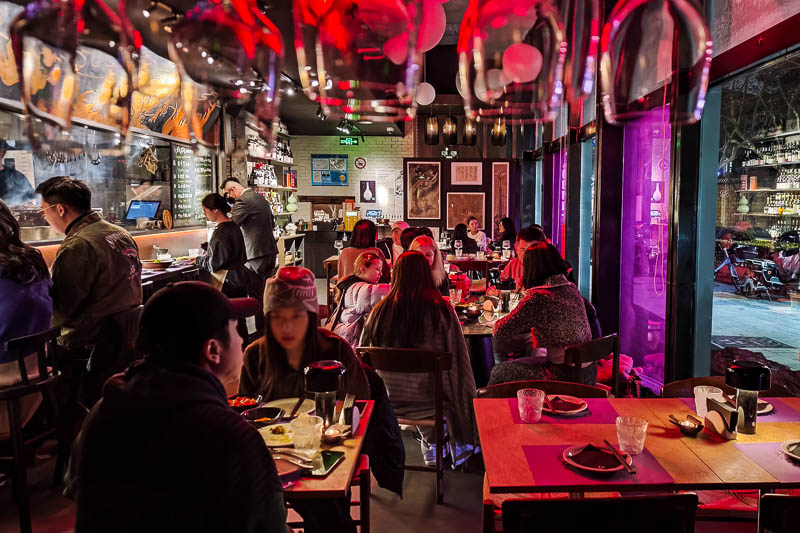
If your knowledge of Chinese wine begins and ends with a dusty bottle of Great Wall Cabernet, you’re in for a delightful awakening. A revolution has been fermenting in vineyards across China, and it’s arriving in glasses at Cila Shanghai, a modern Northwestern Chinese restaurant and wine bar.

I sat down with Cila co-owner Ai to navigate the exciting landscape of Chinese wine, using Cila’s own Chinese Wine Exploration Map as a guide — a concise introduction to six major wine-producing regions — along with their accessible tasting sets as an easy entry point.
There’s a lot to take in, but Ai has a simple philosophy towards wine exploration, and that is to just “drink it.”
A Brief History on Chinese Wine
The story of Chinese wine is far older than many realize, with grape-made wines celebrated over a thousand years ago.
However, commercial production on a national scale didn’t truly take shape until Changyu (张裕) came along, China’s oldest and first modern winery established in 1892. It was much like how instant coffee was introduced to China, produced in large quantities and sold at highly accessible prices. It made wine familiar and affordable at the time, but not necessarily aspirational.
The real transformation began nearly a century later. Other enterprises like Great Wall (长城) and Dynasty (王朝) expanded the industry’s foundation in the 1980s and 90s, fueled by economic reforms and a newly prosperous middle class, and that’s when the real explosion began.
In just three decades, China became one of the world’s top wine producers by volume, a remarkable leap when compared to France’s centuries-old wine legacy.
Then in 2010, the Ningxia government formally proposed the development model of “small wineries, large region,” which birthed the modern wineries we see shaping the industry today.
Unlike traditional industrial wine hubs like Shandong and Hebei — long dominated by large-scale producers — Ningxia chose a premium path centered on quality and terroir expression. It put China on the global wine map with major awards, and that opened the door for other regions like Xinjiang and Yunnan to shine.
Today, it’s not a matter of “if” China can make wine, it’s a question of “when” China will produce the next world-class vintage.
The Six Chinese Wine Regions
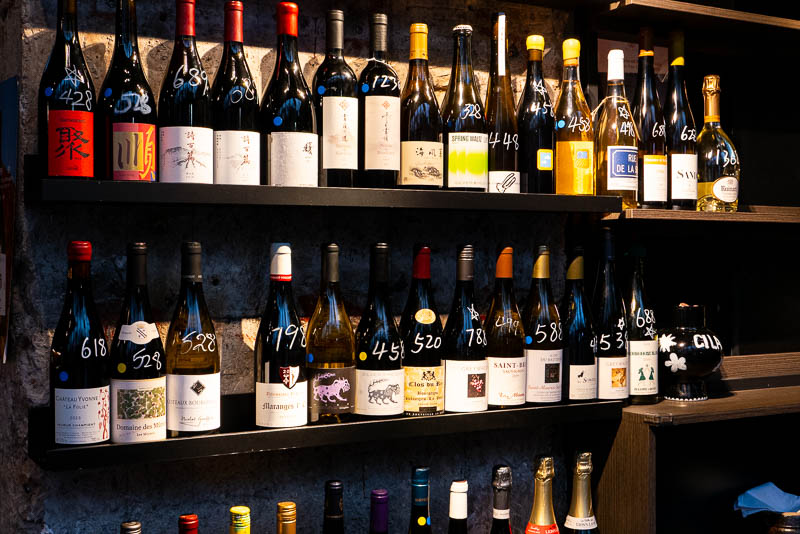
At Cila, where Chinese labels make up roughly 80% of the list, wine education is centered around six major terroirs: Ningxia, Shangri-La, Shandong, Hebei, Liaoning, and Xinjiang.
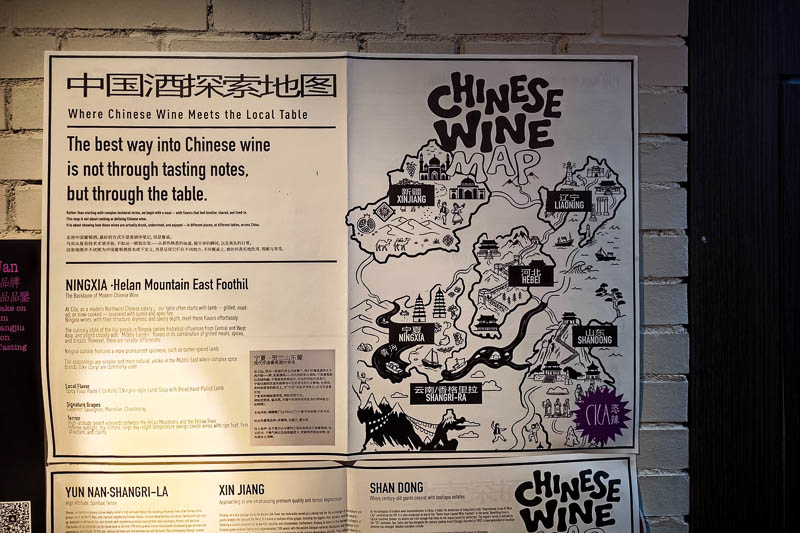
It’s all neatly laid out in their own “Chinese Wine Exploration Map,” serving as a visual guide to the country’s diverse terroirs.
And each region has its own distinct positioning.
Ningxia is the backbone
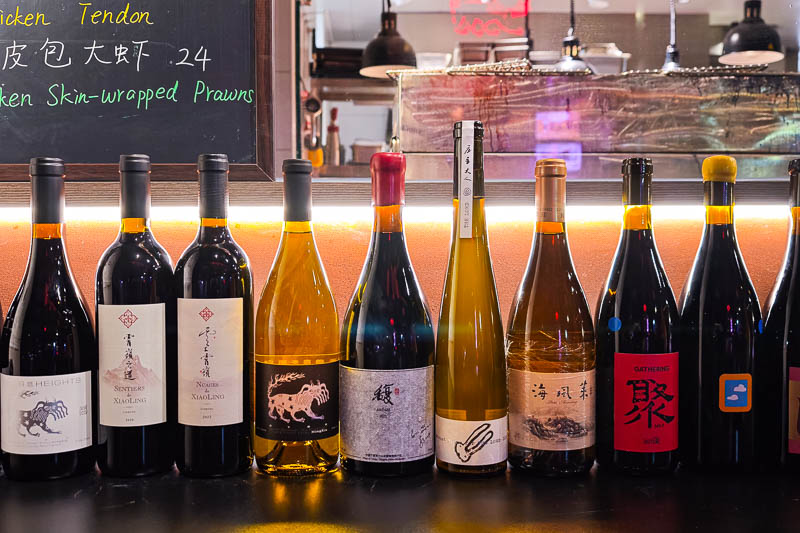
Ningxia is the center of gravity in Chinese fine wine. It’s where high-altitude desert vineyards produce Cabernet Sauvignon, Marselan, and Chardonnay. Ningxia is also home to Silver Heights, a pioneering winery and one of China’s most internationally recognized boutique wineries.
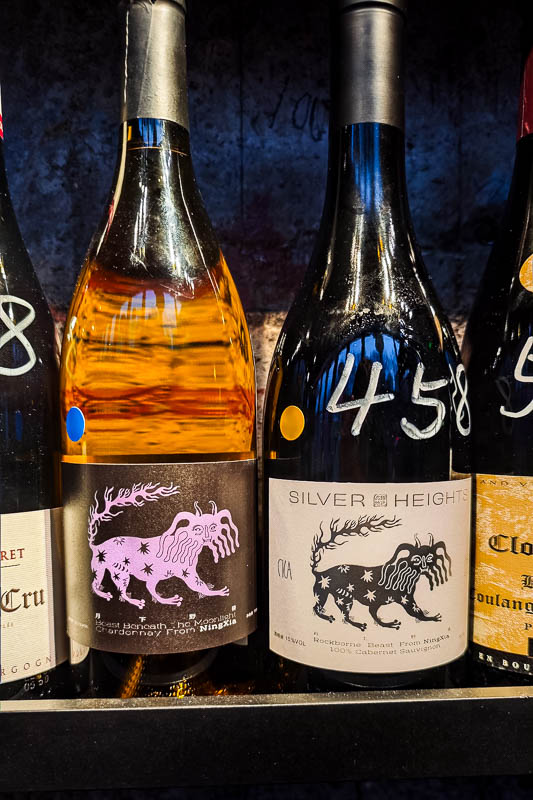
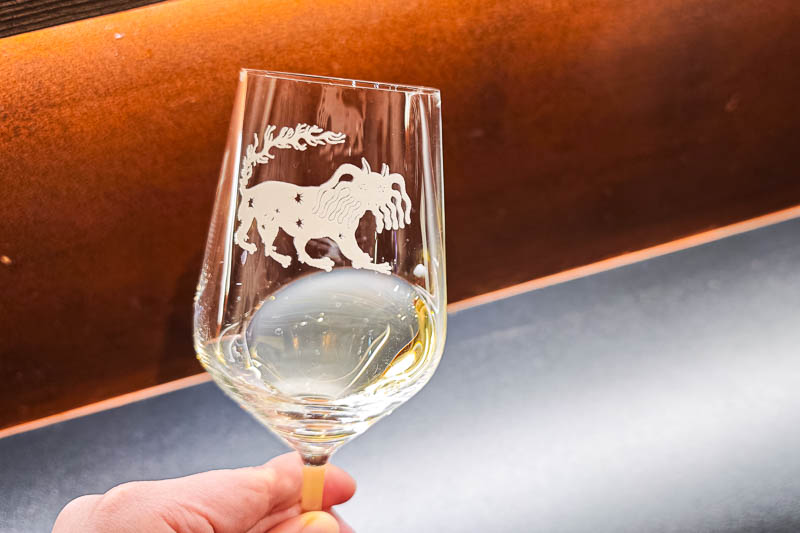
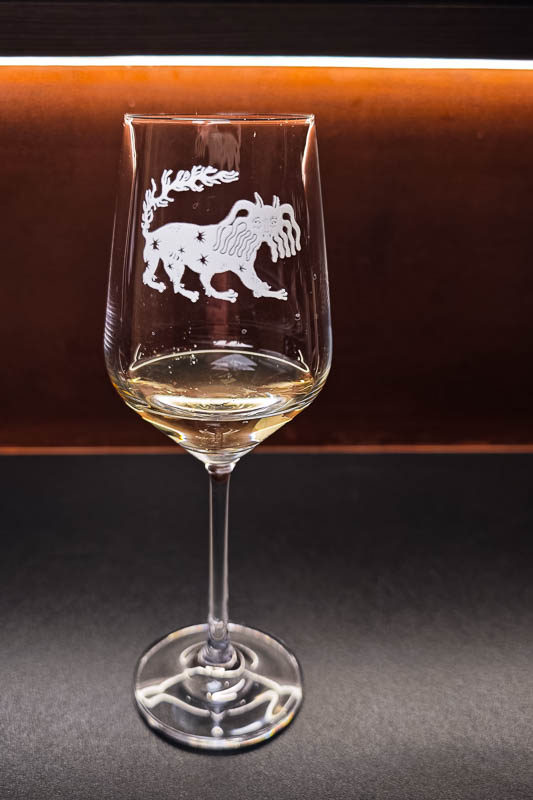
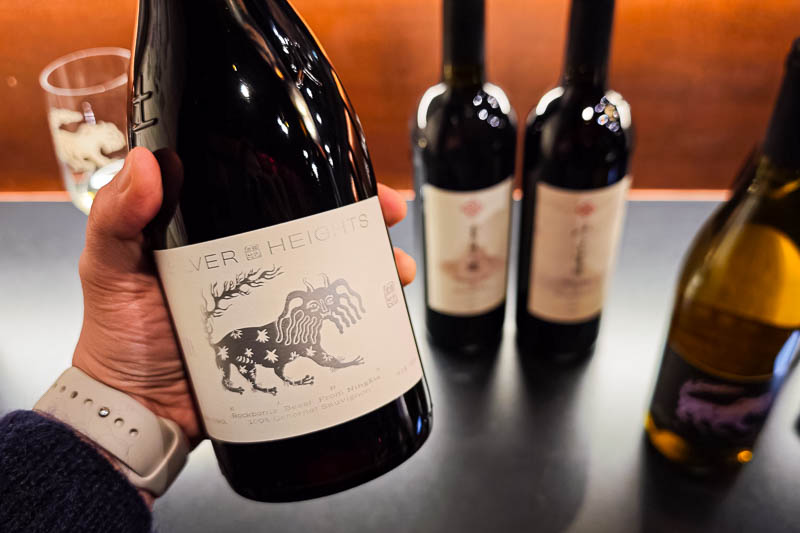
Silver Heights is also a key partner for Cila, with whom they’ve created an exclusive label, Rockborne The Beast (¥88/¥458), a sweet, mellow Cabernet Sauvignon. Cila also has another name-bottle produced in Ningxia, Beast Beneath The Moonlight (¥78/glass, ¥368/bottle), a rich, fruity Chardonnay. Both are house pours are round and classic in style, an easy, confident introduction to what modern Chinese wine is like.
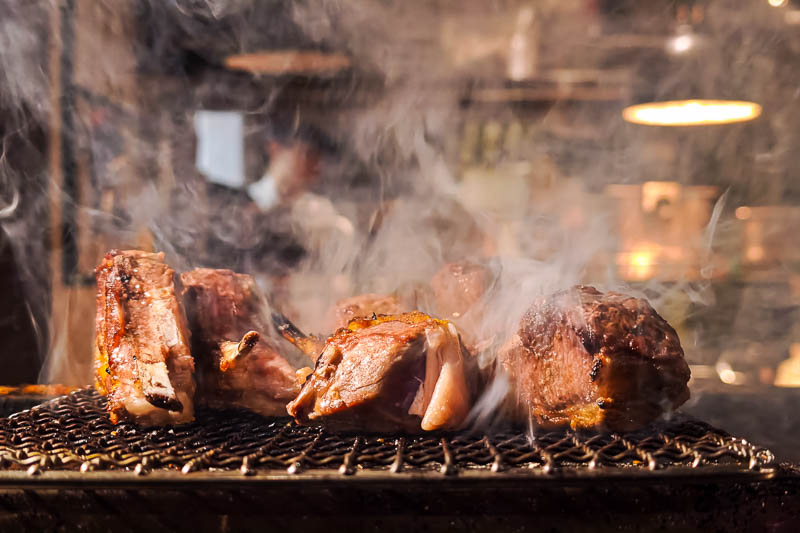
These pair wonderfully Cila’s Northwestern Chinese cuisine, which Ai describes as a “natural match,” as the cuisine features high-quality beef, lamb, and diverse wheat-based foods, which naturally calls for wine to cut through the richness.
Shangri-La is for high-altitude elegance
Located in Yunnan at elevations between 2,200–2,600 meters, Shangri-La is one of the highest wine-producing regions in the world. The wines tend toward elegance, restraint, and minerality.
“I have a personal fondness for Shangri-La,” says Ai. “It’s not only stunningly beautiful, but the wines produced there are elegant and restrained.”
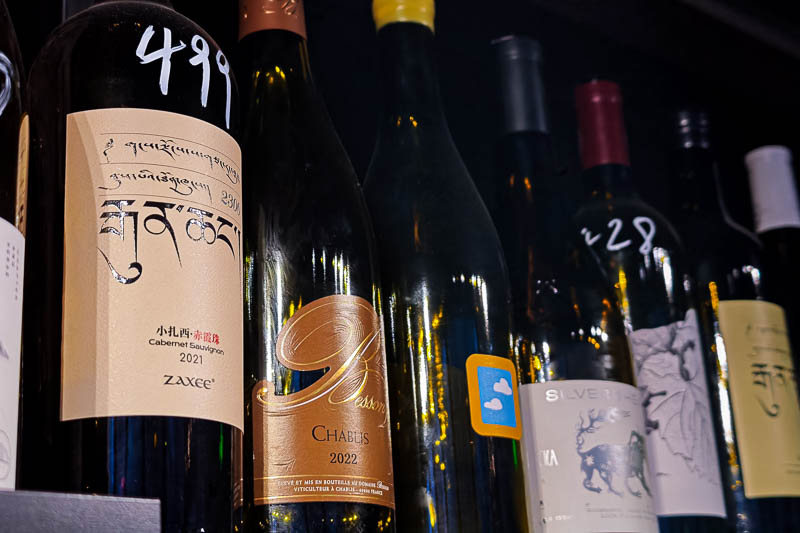
Cila’s list includes Shangri-La producers like XiaoLing and Zaxee, showcasing Cabernet Sauvignon and blends that feel fresher, more lifted, sometimes almost Burgundian.
Hebei & Liaoning are emerging voices
Hebei is both the historical birthplace and a modern core of Chinese wine. It’s where Great Wall and Changli originated. Today, the region is giving voice to a new generation of winemakers. At Shofang Winery, a group of female winemakers are experimenting with varieties such as Tempranillo and Marselan, as well as heirloom grapes like Black Muscat.
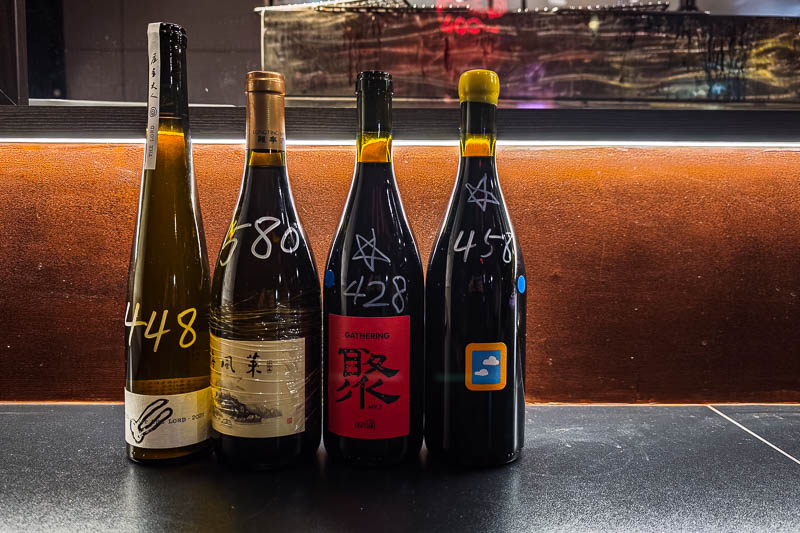
Xiaopu, started in 2017 by a sommelier-turned-winemaker, also thrives in Hebei as one of China’s growing band of natural wine producers. Xiaopu — known for its highly regarded skin-contact orange wines and Pét-Nats — is also engaged in nomadic winemaking, journeying to Ningxia, Gansu, Inner Mongolia, and beyond.
This is where things feel less defined and more exploratory, a region still shaping its identity rather than following a template.
“In my view, the most exciting characteristic of Chinese fine wine is that it is in a golden age of style formation. The lack of a rigid rating system has, conversely, fostered many brands with distinct personal signatures,” says Ai.
Shandong: China’s Napa Valley
In Shandong, new boutique estates coexist with the centuries-old brand Changyu. The region produces over 40% of the country’s wine, with more than 140 wineries located along the northern coast of the Shandong Peninsula in the famous Yantai wine region, often referred to as China’s Napa Valley.
Shandong may be large-scale, but producers like Jiangyu signal a shift toward smaller, quality-driven projects within the region.
Jiangyu, a tiny estate in the Qiushan Valley near Yantai city, is a rising star founded in 2021 by a former Changyu salesperson. In 2024, it received high scores for its Chardonnay from the prestigious Bettane+Desseauve guide.
Xinjiang, the home of ancient varietals
Xinjiang, a historic crossroads along the ancient Silk Road, is home to the earliest cultivation of Eurasian grape varieties in China, dating back approximately 2,300 years. Georgian varieties like Rkatsiteli and Saperavi, introduced via trade routes, are now emblematic of the region’s identity.
Its intense sunlight, dramatic day-night temperature swings, and glacial snowmelt create ideal conditions for concentrated, balanced grapes. Today, this multicultural region — home to Uyghur, Han, Kazakh, and Hui minorities — produces internationally acclaimed wines, with wineries like Tiansai, Puchang, Xindu, and Zhongfei.
Wine Tasting Sets at Cila
At the end of the day, information can only take you so far. The best way to find out if you like Chinese wines is by trying them. Cila’s goal is to offer everyone a relaxed way to experience Chinese wines — you don’t need to do any pre-drinking research or be an expert. Just grab a glass.
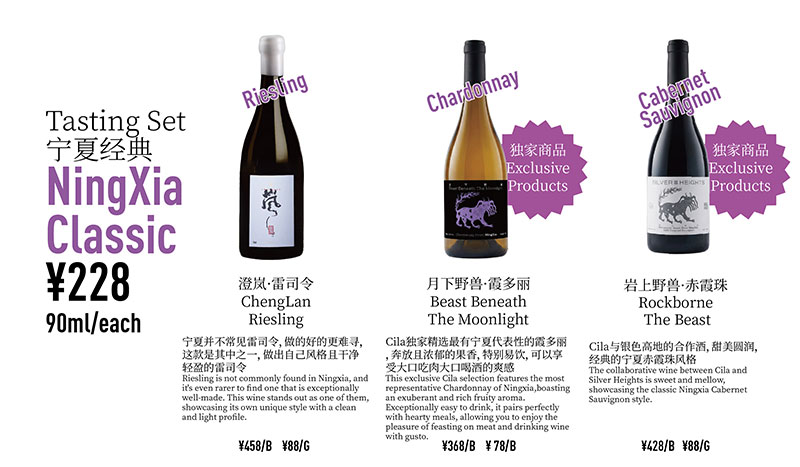
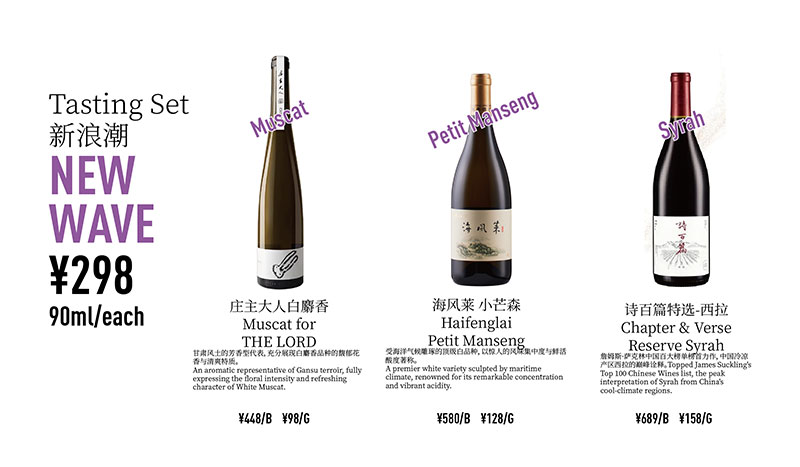
That said, Cila offers regular wine-by-the-glass tasting events, and they’ve recently curated two distinct flight experiences: Ningxia Classic (¥228) or New Wave (¥298), both accessible entry points for curious drinkers looking to explore Chinese wine.
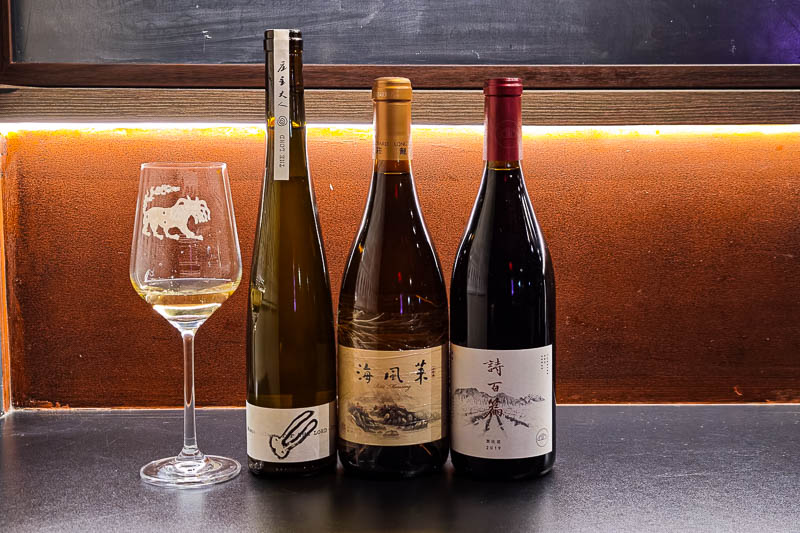
The Ningxia set features classic selections representing the region, while New Wave is a combination of boutique or new-wave wines from three different regions. Each set includes three wines, 90ml each.
Wines at Cila start from ¥78 a glass and ¥368 a bottle.
And if Ai’s philosophy holds true, the only real requirement is curiosity. The rest is just a matter of pouring the first glass.